Statement from the Executive Director
Setting The Course For 2025 - A Year In Review
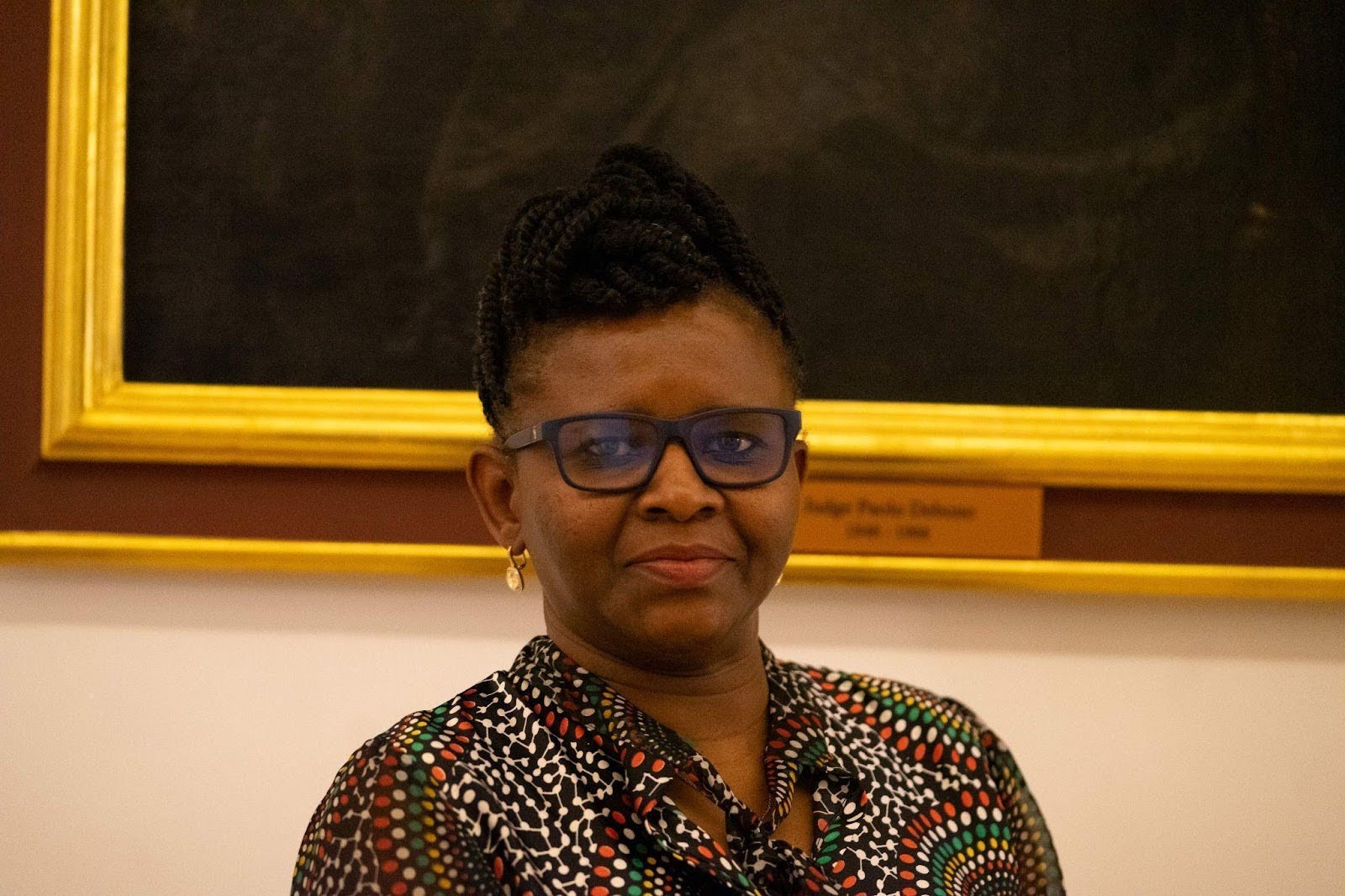
As 2024 ends, we reflect on a year of significant achievements and persistent challenges in our fight against illicit financial flows (IFFs) and their impact on governance and sustainable development across Africa. At the African Center, we remain steadfast in our commitment to promoting transparency, accountability, and good governance, guided by the principles of the United Nations Sustainable Development Goals (UN SDGs), particularly Goal 16, on Peace, Justice and Strong Institutions. We are also guided by the African Union 2063 Agenda, the Common Africa Position on Asset Recovery and the Global Framework on Asset Recovery.
This past year has underscored the urgent need for our work. It is well documented that corruption, IFFs, and money laundering erode public trust, divert crucial resources from development priorities, and exacerbate inequalities. The intricate web of illicit financial flows, often facilitated by complex transnational networks, deprives nations of vital funds needed to invest in education, healthcare, and infrastructure, hindering progress toward the SDGs.
This report details our key activities and accomplishments over the past year in response to this threat. In this annual report - our first - you will read about our impactful research, advocacy efforts, capacity-building programs, and strategic partnerships. We are proud of our progress in contributing to the efforts to remove Nigeria from the Financial Action Task Force (FATF) greylist through collaboration with the Nigeria Legal Professionals. This collaboration led to the drafting of the anti-money laundering risk assessment for the legal sector in Nigeria, the development of an anti-money laundering reporting portal, the drafting of guidance on the role of civil society in asset recovery, the drafting of an asset recovery policy manual for the Federal Ministry of Justice.
Finally, this collaboration enabled us to supportAfrican institutions and non-state actors to address weak governance structures. These successes are a testament to the dedication and expertise of our team, the unwavering support of our partners, and the resilience of the communities we serve.
Significant obstacles remain, including the complexity of cross-border investigations, limited political will, and lack of resources. To overcome these challenges, we must continue to innovate, collaborate, and strengthen our collective efforts. Looking ahead, we are committed to deepening our impact by leveraging technology through our open assets database, expanding our reach to new regions, and strengthening collaboration with government agencies. We will continue to champion the principles of transparency and accountability, working tirelessly to ensure that proceeds of criminal activities are recovered and returned to their rightful owners. We invite you to explore this report and learn more about our work. We are deeply grateful to our partners, particularly the MacArthur Foundation, the Foreign and the Commonwealth Development Office (UK FCDO) and German GIZ. Your support is essential to the sustenance of our mission. Our progress over the past months would not have been possible without the dedication of our board and staff. I am genuinely grateful for your time and expertise in advancing the African Center’s mission.
Together, we can build a future where the principles of justice, the rule of law, good governance and sustainable development prevail.I look forward to continuing our collective efforts in the years ahead.
Sincerely,
Juliet Ibekaku-Nwagwu
Founder & Executive Director
African Center for Governance Asset Recovery and Sustainable Development