1 Strengthening Governance and Accountability for Sustainable Development
In 2023 and 2024, the African Center advanced its mission through capacity building, stakeholder engagement, and policy advocacy. Key initiatives included training investigative journalists on asset recovery and FATF methodologies, collaborating with global institutions to combat financial crime, and launching guidelines for civil society organizations on managing proceeds of crime. Through high-level engagements, risk assessment workshops, and international partnerships, the Center reinforced its commitment to transparency, accountability, and strengthening Nigeria’s financial integrity.
1.0.1 Speaker: Nigerian Bar Association, Bwari Branch
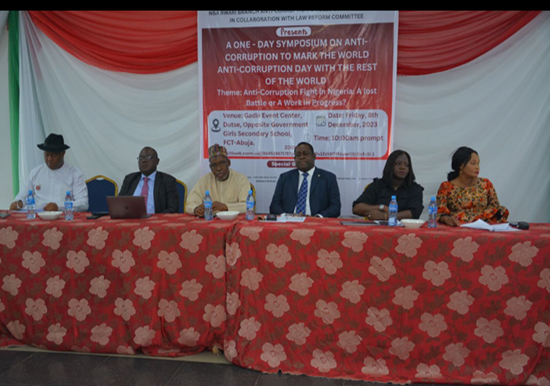
The African Center for Governance, Asset Recovery, and Sustainable Development joined the Law Reform Committee of the Nigerian Bar Association (NBA) Bwari Branch as a panelist in the one-day symposium on Anti-Corruption on December 8, 2023.
The symposium, themed “Anti-Corruption Fight in Nigeria: A Lost Battle or a Work in Progress?” aligns with the global efforts to address the issue of pervasive corruption and to mark International Anti-Corruption Day on December 9, 2023.
It provided a platform for stakeholders to deliberate on the state of Nigeria’s anti-corruption initiatives and chart a course for future progress. Perspectives and insights on the challenges and successes encountered in Nigeria’s ongoing battle against corruption was shared.
1.0.2 Training: Counter Financing of Terrorism Specialists at the International Institute for Justice and Rule of Law
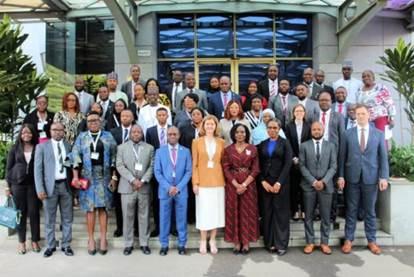
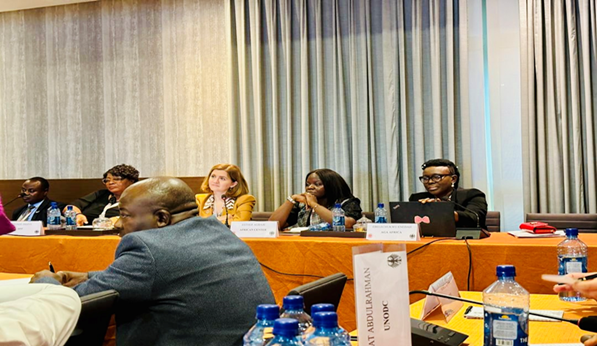
On 21-23rd November 2023, the African Center facilitated three sessions at the National Training on Countering the Financing of Terrorism organized by The International Institute for Justice and Rule of Law (IIJ) in Abuja, Nigeria.
The three-day national-level training program was aimed at building the capacities of investigators, prosecutors, judges, financial analysts, and regulatory authorities and promoting inter-agency cooperation and public-private dialogue. It sought to equip key CFT actors in Nigeria with comprehensive knowledge and practical strategies to counter the financing of terrorism within the country effectively. Additionally, the training was aimed to align the national CFT framework with FATF requirements with expected outcomes, including an enhanced understanding of Nigeria’s specific terrorist financing vulnerabilities and tools to address them; improved knowledge of tools and techniques for identifying, tracking, and disrupting terrorist financing networks, in particular involving high-risk sectors; and improved interagency cooperation and public-private dialogue on CFT. Vulnerabilities within the nation’s high-risk sector of Designated Non-Financial Businesses and Professions (DNFBPs), Non-Profits, and Virtual Assets were also addressed.
1.0.3 Facilitation: Webinar with the Compliance Institute of Nigeria
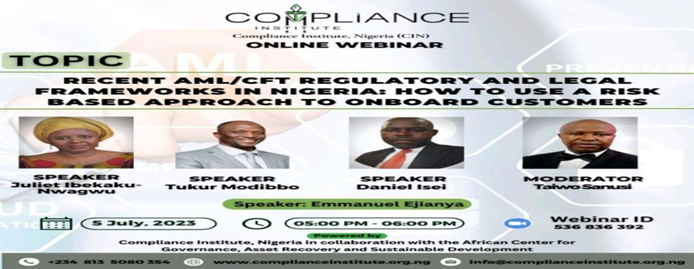
On 5 July 2023, the Compliance Institute of Nigeria (CIN) in collaboration with the African Center for Governance, held a webinar titled “Recent Anti-Money Laundering/Countering the Financing of Terrorism (AML/CFT) Regulatory and Legal Frameworks in Nigeria: How to Use a Risk-Based Approach to Onboard Customer”.
Three hundred and forty participants attended the webinar including law enforcement agencies, bankers, compliance officers, and compliance enthusiasts. Key issues on the recent AML/CFT legal frameworks and risk-based approach were discussed by speakers from the Special Control Unit on Money Laundering (SCUML), the Nigerian Financial Intelligence Unit (NFIU), and the African Center.
1.0.4 Facilitation: Session with the Global South Dialogue on Economic Crime
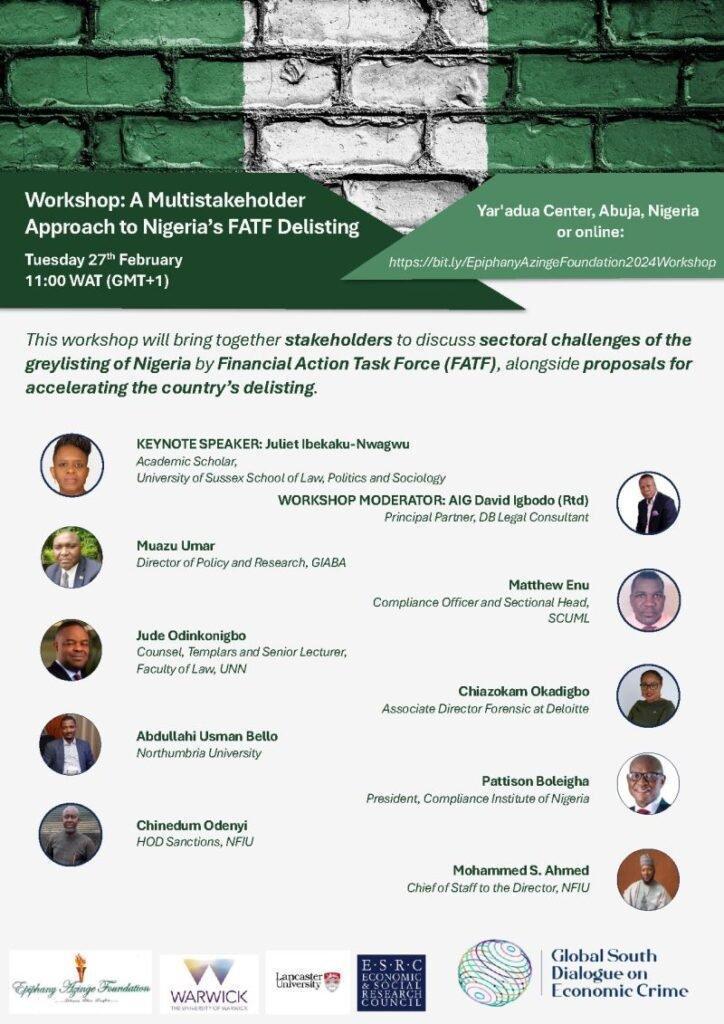
In February 2024, the African Center facilitated a session at the GSDEC workshop, “A Multistakeholder Approach to Nigeria’s FATF Delisting”. The event brought together stakeholders to discuss challenges and strategies for Nigeria’s removal from the grey list.
The session highlighted the critical role of leadership in promoting good governance and combating financial crimes. Drawing from past experience in corruption investigations and Nigeria’s 2013 delisting, the discussion reinforced the African Center’s commitment to transparency, accountability, and economic crime prevention.
1.0.5 Publication: Compendium on Lessons Learned from Anti-Corruption Efforts in Past Administrations
January 2024
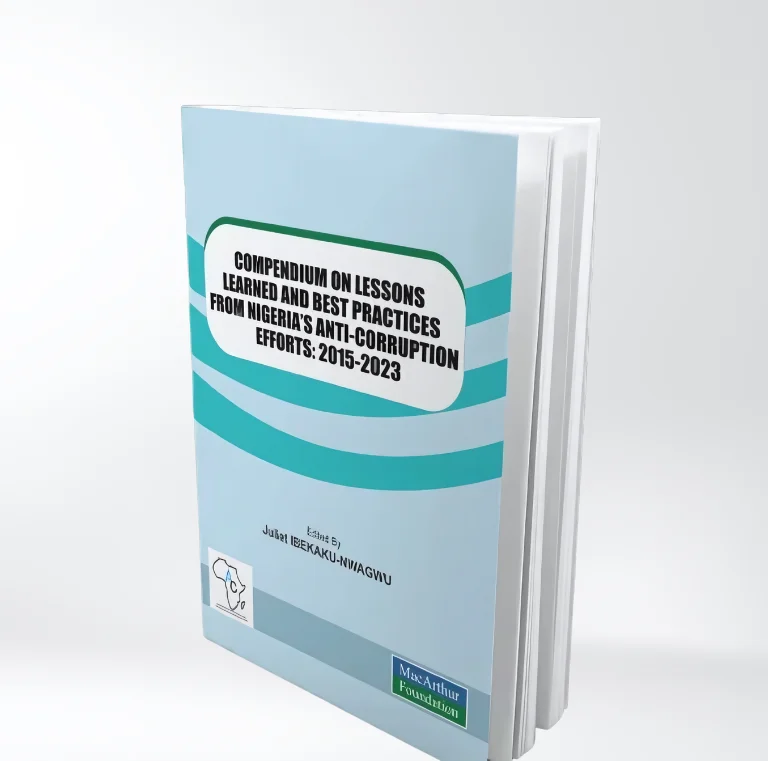
A Compendium on Lessons Learned from Anti-Corruption Efforts in Past Administrations (2015-2023) was published to bridge critical knowledge gaps in Nigeria’s governance landscape. This resource documents best practices, challenges, and strategic insights from nearly a decade of anti-corruption initiatives.
Providing evidence-based recommendations, the Compendium equips policymakers, practitioners, civil society organizations, and citizens with tools to strengthen future anti-corruption efforts. By outlining a roadmap for reform and practical solutions to governance challenges, it reinforces the commitment to transparency, accountability, and institutional integrity.
1.0.6 Facilitation: Webinar on the Anti-Money Laundering and Counter-Financing of Terrorism Principles
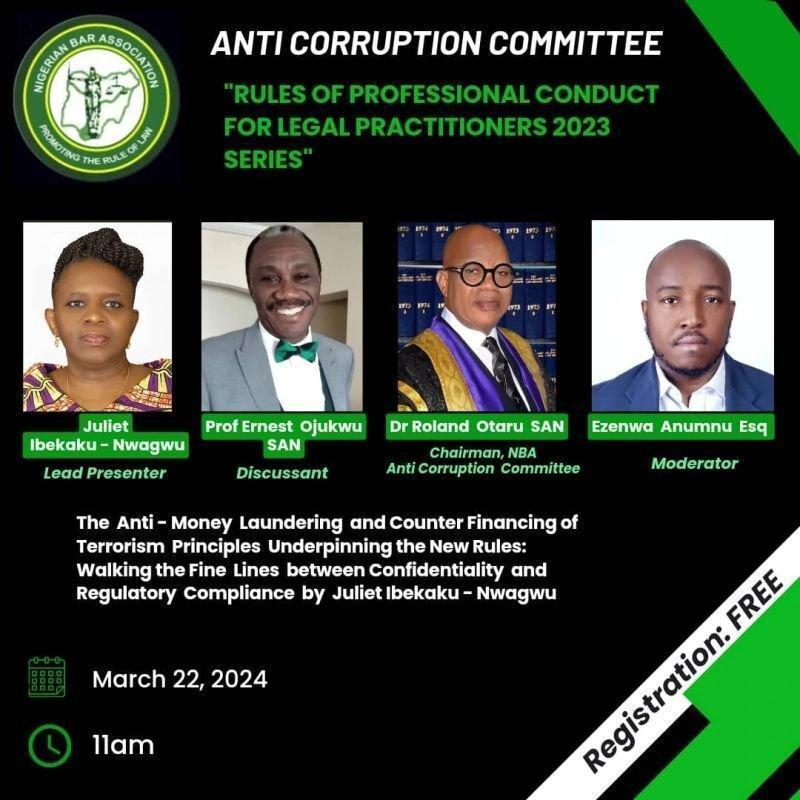
The African Center co-hosted a webinar with the NBA Anti-Corruption Committee on Anti-Money Laundering and Counter-Financing of Terrorism: Balancing Confidentiality and Compliance. Moderated by Ezenwa Anumnu, the session examined the new Rules of Professional Conduct (RPC) for Legal Practitioners in line with FATF standards.
Speakers, including Dr. Roland Otaru, SAN, and Prof. Ernest Ojukwu, SAN, emphasized ethics, Know Your Customer (KYC), record-keeping, and risk-based reporting. The lead speaker, Juliet Ibekaku-Nwagwu, highlighted key RPC amendments, legal obligations, and the NBA Anti-Money Laundering Committee’s role in compliance.
With 400 participants, the webinar reinforced the African Center’s commitment to transparency, accountability, and strengthening Nigeria’s efforts to combat money laundering and terrorist financing.
1.0.7 Stakeholder Engagement: Review and Implementation Of The ICRG Action Plan
June 2024
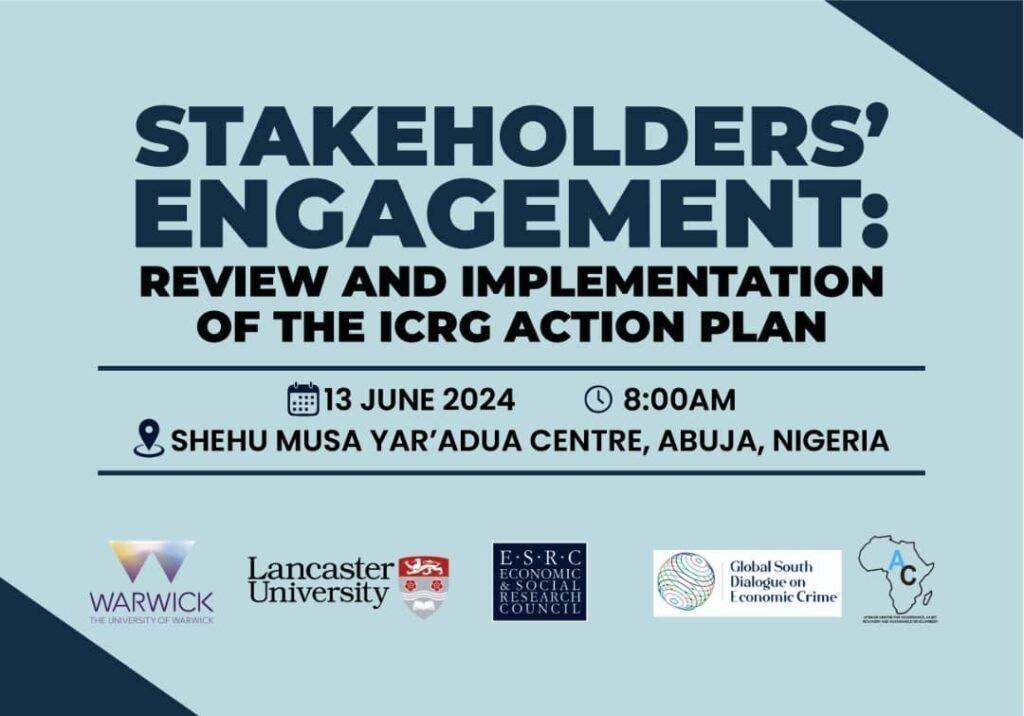
In partnership with GSDEC, we convened key stakeholders to accelerate Nigeria’s removal from the FATF grey list. With support from the Economic and Social Research Council (ESRC), the session focused on urgent actions and collective responsibility in achieving this goal.
Senior officials from NFIU, EFCC, NDLEA, and FMOJ outlined Nigeria’s progress since its 2023 greylisting, highlighting strengthened laws, enhanced money laundering prosecutions, and improved international cooperation.
Reaffirming their commitment, stakeholders pledged to drive strategic reforms, enhance asset recovery efforts, and bolster AML/CFT enforcement, ensuring Nigeria’s swift and lasting compliance.
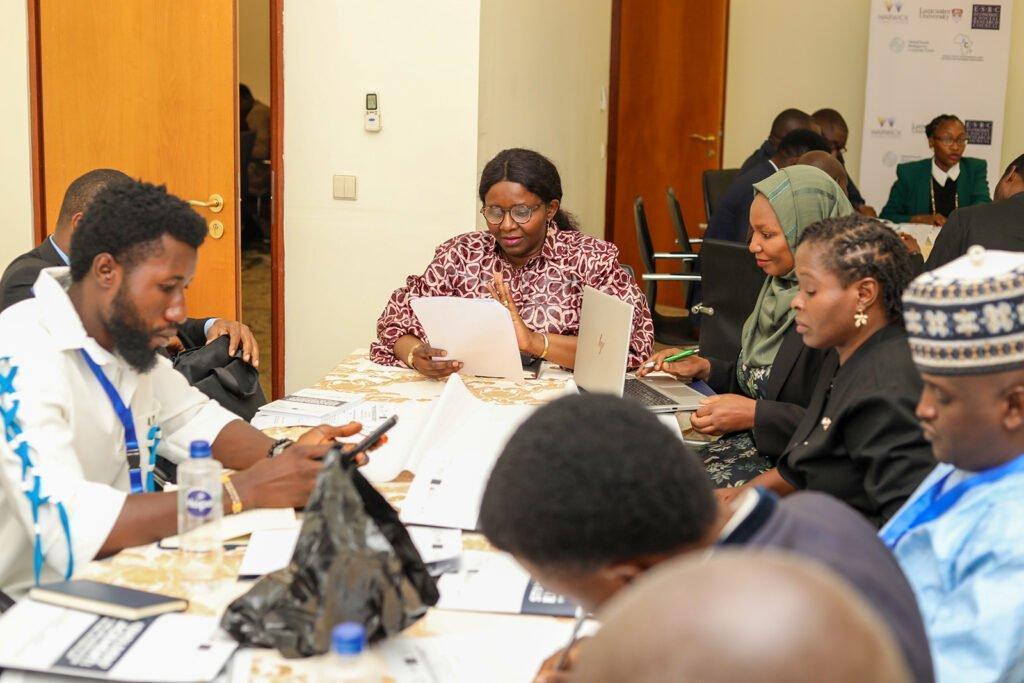
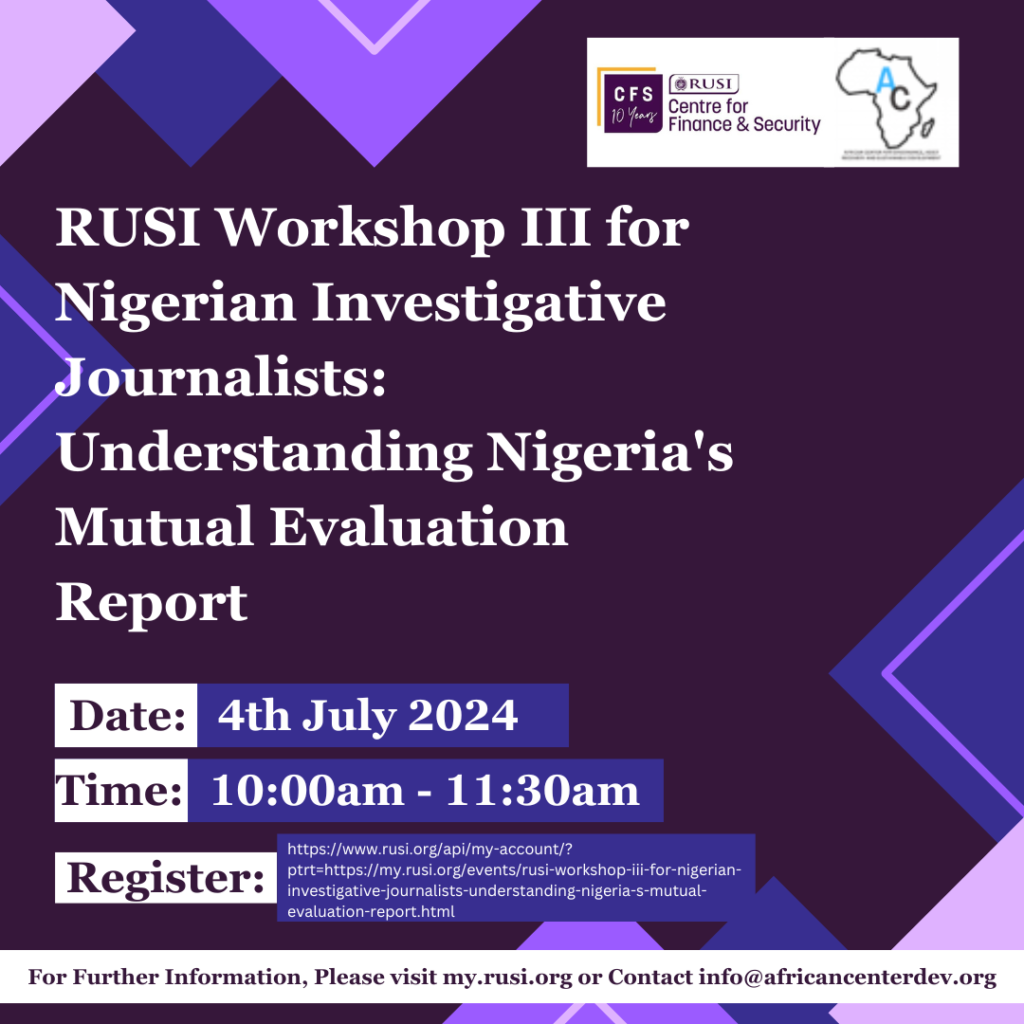
1.0.8 Training: Nigerian Investigative Journalists Workshop in Collaboration with RUSI, UK
In partnership with RUSI, we hosted a webinar Demystifying FATF to equip investigative journalists with the tools to combat corruption. The session provided a deep dive into FATF’s processes, its role in promoting financial integrity, and how journalists can leverage this knowledge in their work.
Discussions also explored Nigeria’s recent Mutual Evaluation Report (MER), highlighting the implications of the country’s greylisting. By empowering investigative journalists with critical expertise, the African Center reinforces its commitment to fostering transparency, accountability, and a stronger financial system in Nigeria.
1.0.9 Participation: International Anti-Corruption Conference
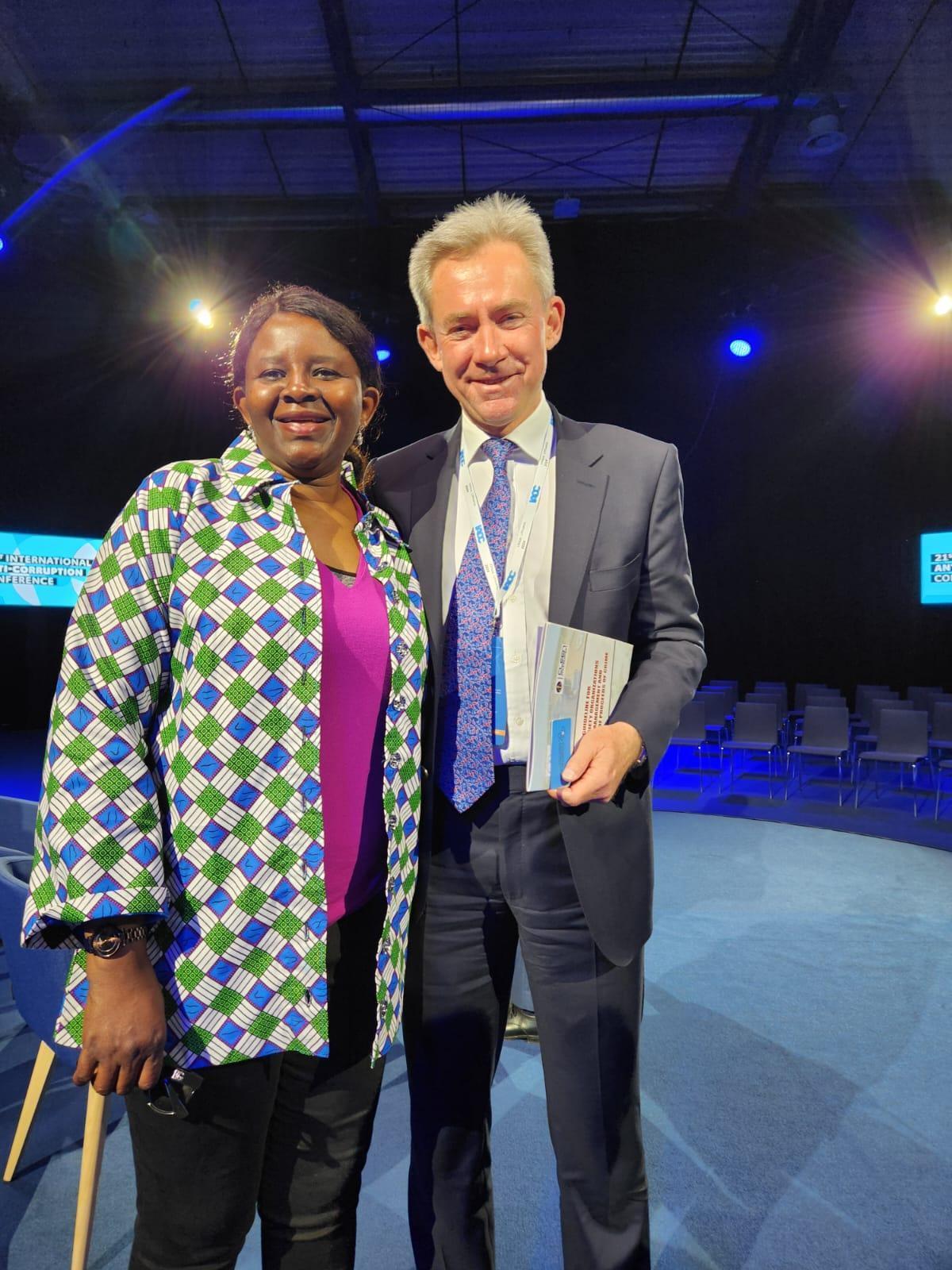
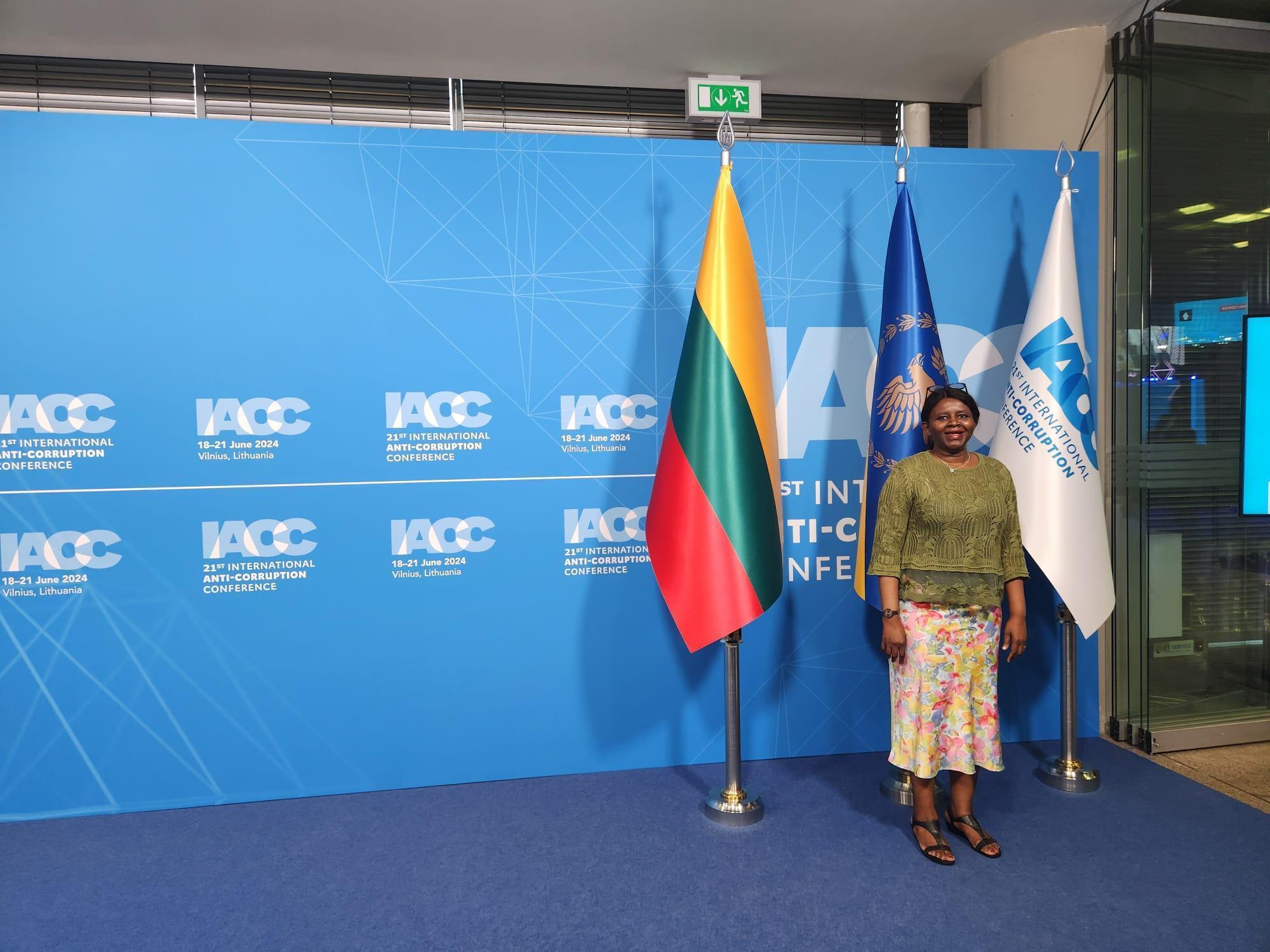
The African Center for Governance reaffirmed its commitment to combating corruption by actively participating in the International Anti-Corruption Conference (IACC) 2024. Engaging with global leaders, policymakers, and civil society organizations, the Center strengthened partnerships and fostered new collaborations.
Key sessions addressed critical issues such as global threats to integrity, business ethics, technology’s role in anti-corruption, and the impact of corruption on human rights and democracy. The African Center also participated in the CSO session with the MacArthur Foundation, providing updates on Nigeria’s anti-corruption efforts.
Through its participation, the African Center reinforced its role as a leading voice in promoting transparency, accountability, and strong institutions across Africa.

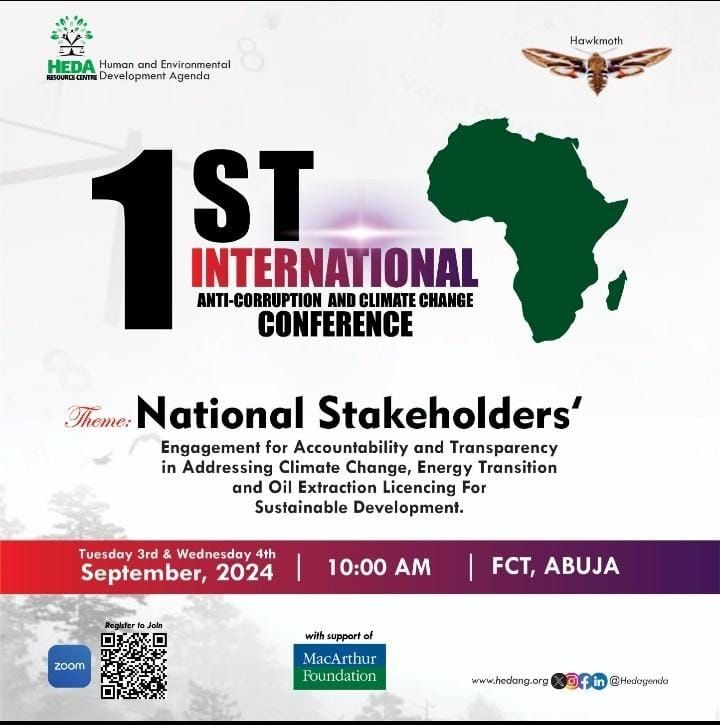
1.0.10 Presentation: “An Overview of Corruption in the Oil Sector in Nigeria” at HEDA Resource CenterConference
The African Center participated in the HEDA Resource Center’s first International Anti-Corruption & Climate Change Conference. Contributing to the panel on “Corruption in the Oil Sector,” the discussion focused on major cases such as OPL245, P&ID, and Glencore, highlighting their impact on anti-corruption efforts. The session featured key stakeholders, including representatives from ANEEJ, EFCC, and the Kano Anti-Corruption Commission.
1.0.11 Participation: UNCAC Implementation Review Group
September 2024
The first part of the resumed Fifteenth Session assessed the implementation of the United Nations Convention against Corruption, focusing on Chapters II (Preventive Measures) and III (Criminalization and Law Enforcement). Established under Resolution 3/1, the Implementation Review Group serves as an open-ended intergovernmental body, overseeing the review process, identifying challenges and best practices, and addressing technical assistance needs to enhance the Convention’s effectiveness.
1.0.12 Launch: Guidelines for Civil Society Organizations on Managing and Monitoring Proceeds of Crime in Nigeria
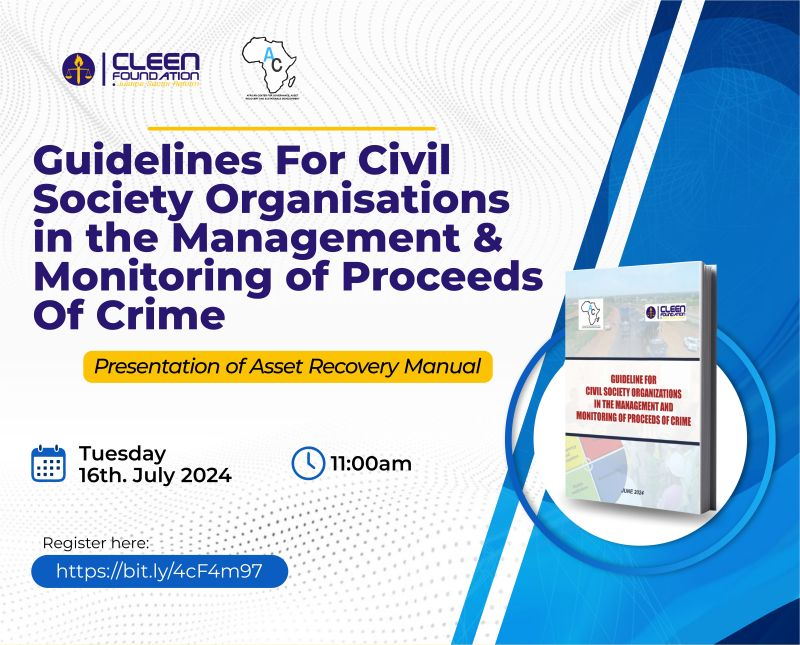
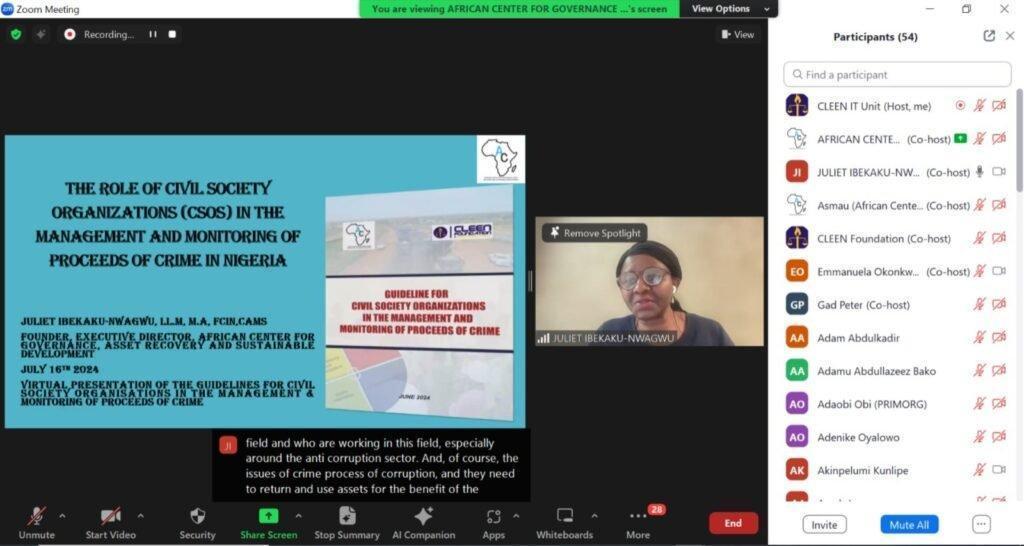
In partnership with CLEEN Foundation, we presented the Guidelines for Civil Society Organizations (CSOs) on Monitoring and Managing Proceeds of Crime, emphasizing CSO involvement in asset recovery. Key stakeholders from the Federal Ministry of Justice, ICPC, NBA, and over sixty CSOs discussed legal frameworks like UNCAC, AUCPCC, and Nigeria’s Proceeds of Crime Act (2022), highlighting CSOs’ role in promoting accountability.
Participants called for stronger legal provisions to empower citizens in asset recovery. The African Center and CLEEN Foundation were recognized for fostering collaboration between state and non-state actors to enhance transparency and sustainable development.
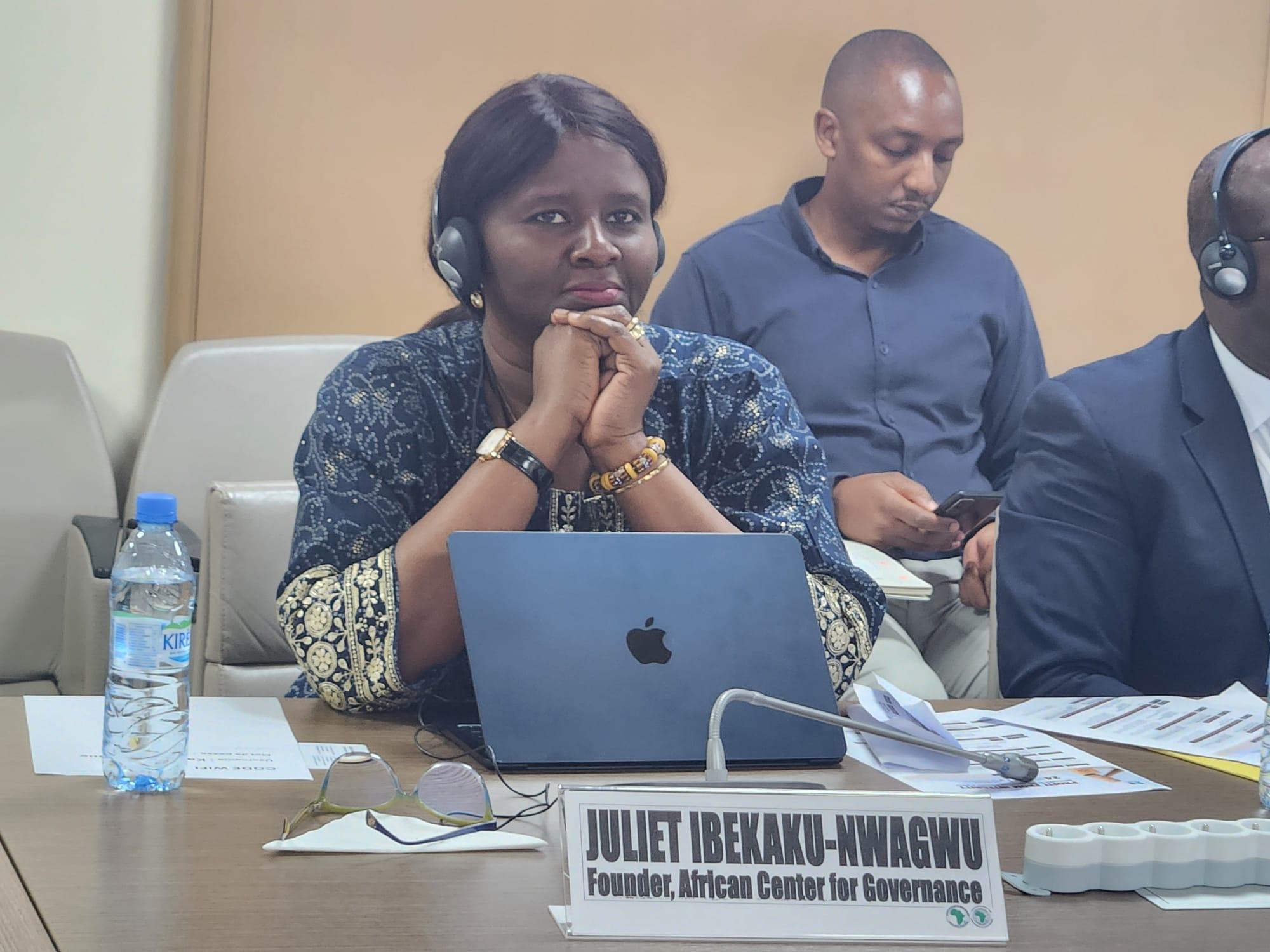
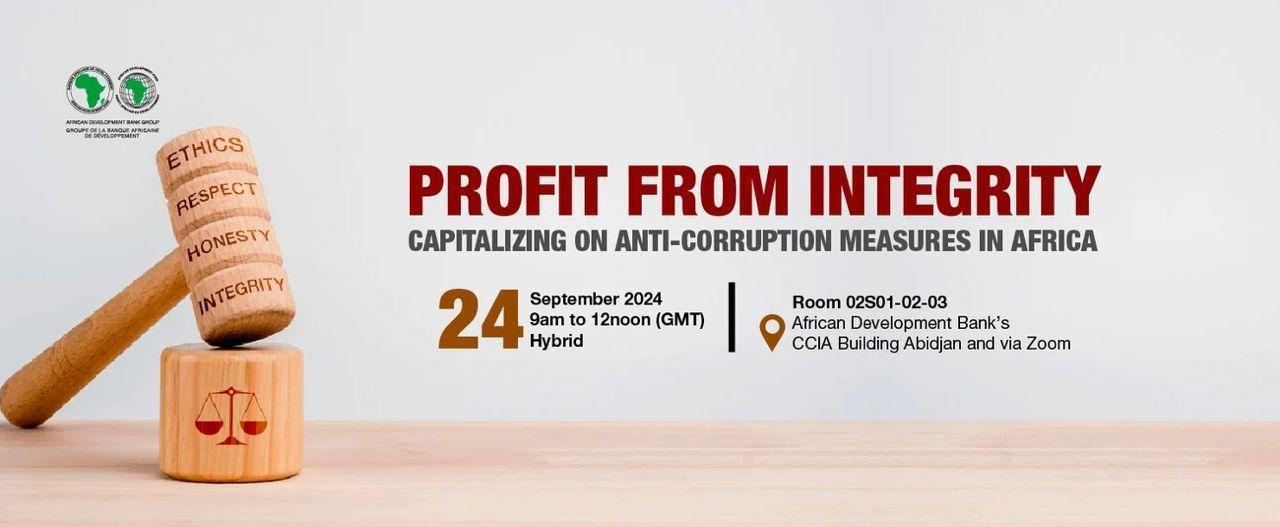
1.0.13 Facilitation: African Development Bank 2024 Anti-Corruption Seminar
The 2024 Anti-Corruption Seminar, themed “Profit from Integrity: Capitalizing on Anti-Corruption Measures in Africa,” brought together esteemed experts to tackle corruption in Africa. The seminar emphasized the significance of asset recovery in deterring criminals, restoring justice, and promoting sustainable development.
Emphasizing the need for diplomatic engagement and collective action, speakers noted that asset recovery extends beyond legal measures. The session called for a review of the Common African Position on Asset Recovery (CAPAR) and the AUCPCC to assess progress toward the UN Sustainable Development Goals and the African Union’s Agenda 2063.
1.0.14 Facilitation: Event on Combating Illicit Financial Flows in Africa’s Extractive Sector at the UNTOC Conference of Parties
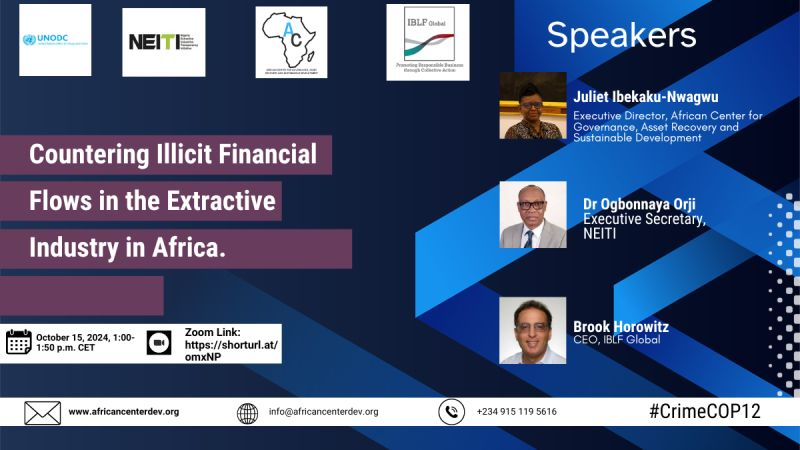
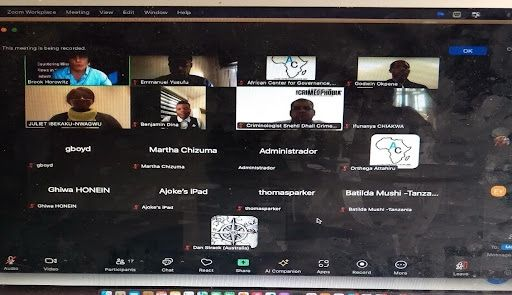
The African Center hosted a panel on Countering Illicit Financial Flows (IFFs) in the Extractive Industry during the 12th UNTOC Conference of Parties. Moderated by Brook Horowitz, CEO of IBLF Global, the discussion examined strategies to curb IFFs and drive sustainable development in Africa.
Experts highlighted Nigeria’s extractive sector as a major contributor to Africa’s IFFs, citing discretionary licensing as a key driver. The session emphasized strengthening asset recovery, enforcing anti-money laundering standards, adopting UN COSP Resolution 10/23 on Beneficial Ownership, and sanctioning financial secrecy jurisdictions to combat illicit flows.
1.0.15 Facilitation: Risk Assessment Workshops across Nigeria
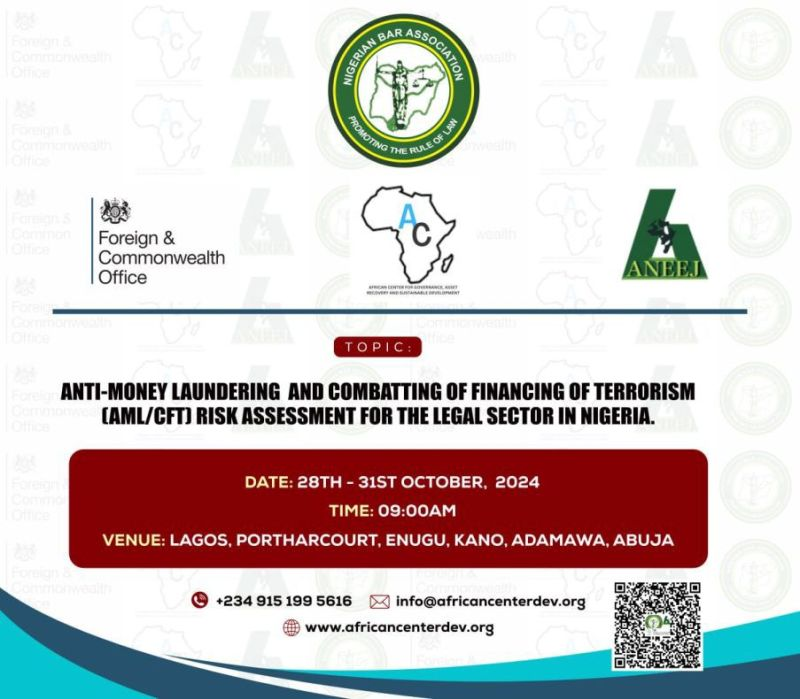
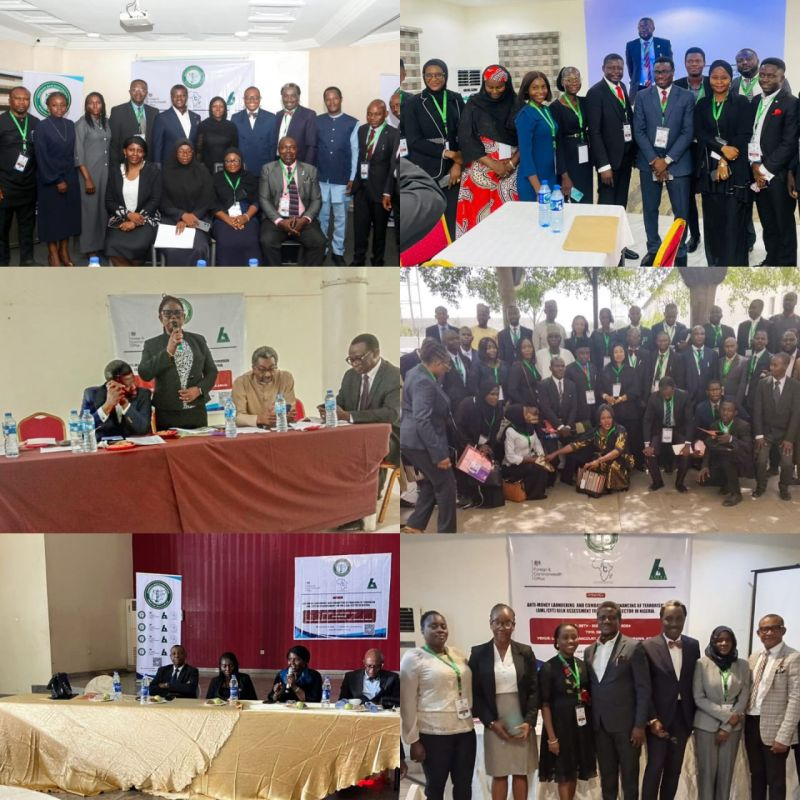
In collaboration with the NBA, the NBA Anti-Money Laundering Committee (NBA-AMLC) we held the AML/CFT Legal Sector Risk Assessment Workshops in Lagos, Abuja, Yola, Port Harcourt, Kano, and Enugu to strengthen lawyers’ ability to combat financial crime through a risk based assessment of possible ML/FT/PF risks. The workshop assessed ML/FT/PF risks through online questionnaires and in-person sessions from October 28 to 31.
Engaging 375 legal professionals, key stakeholders, and regulators, the workshop fostered dialogue on risk assessment and compliance. At the Abuja session on December 31, 2024, NBA President Mazi Afam Osigwe SAN emphasized balancing client confidentiality with preventing legal services misuse for illicit activities.
1.0.16 Facilitation: Validation and Joint Action Planning Meeting for the NBA-AMLC
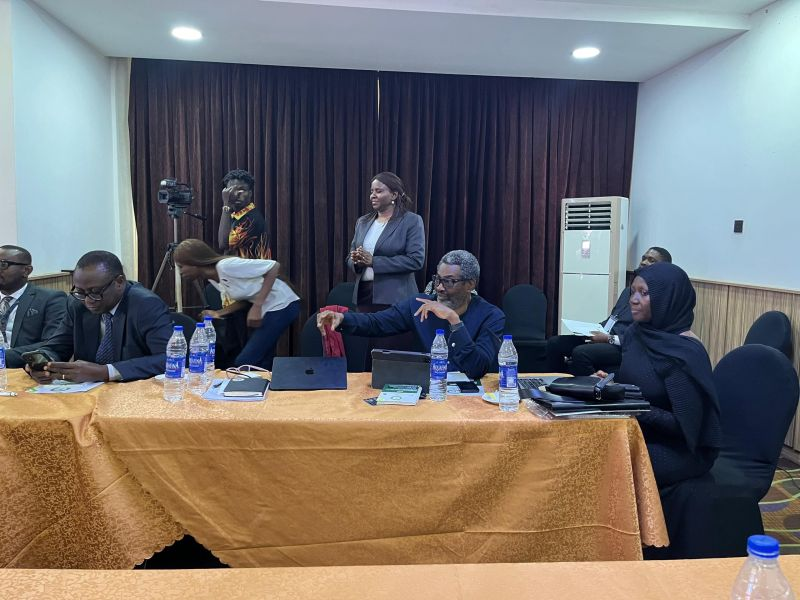
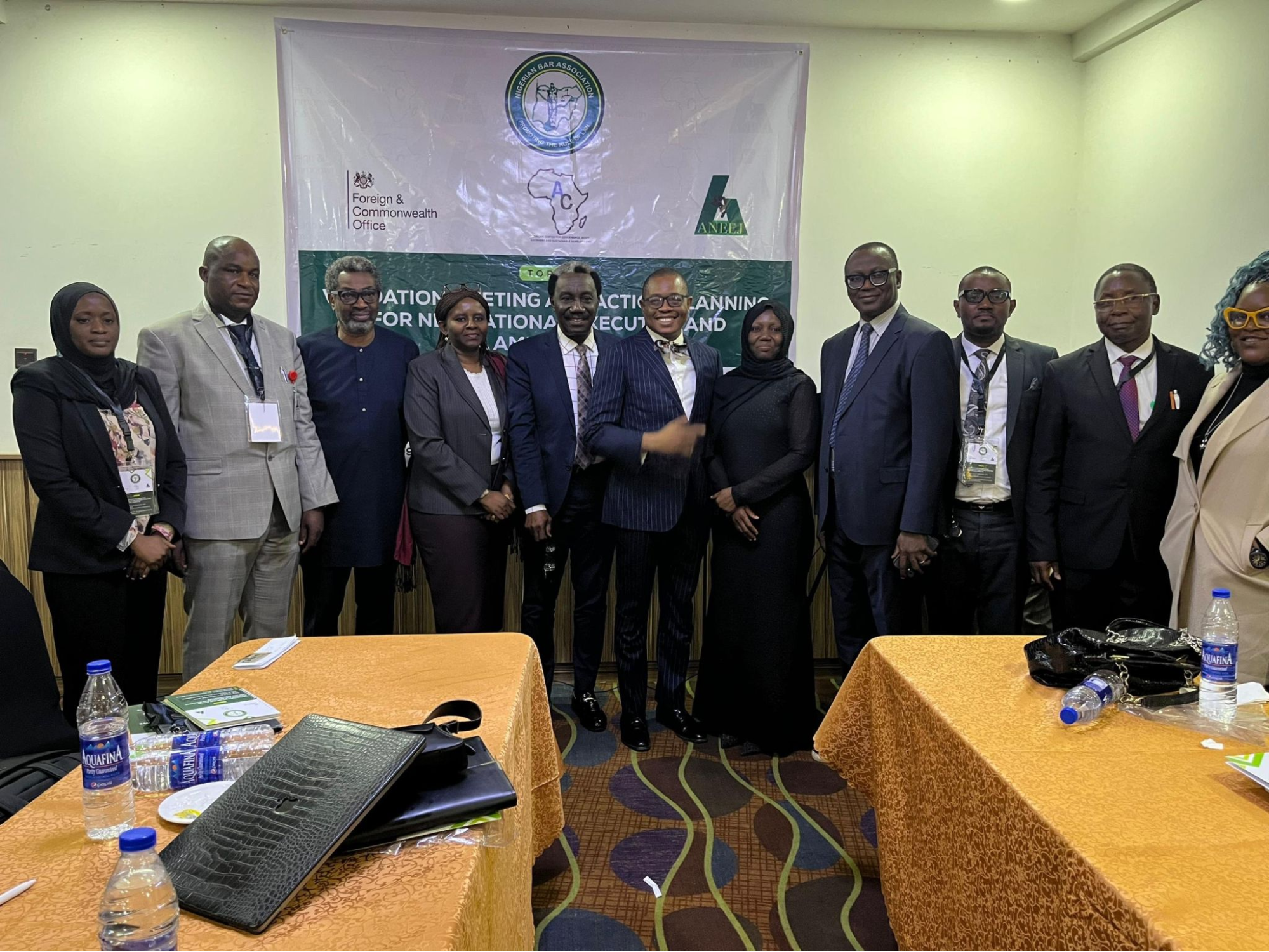
The African Center collaborated with the NBA Anti-Money Laundering Committee (NBA-AMLC) in a strategic session to address money laundering and illicit financial flows. The session reviewed findings from the recently developed Risk Assessment Report for Legal Sector and explored measures to enhance compliance in the legal sector. Key presentations outlined challenges and proposed reforms, reinforcing the commitment to financial integrity and accountability.
1.0.17 Training: NBA Executives
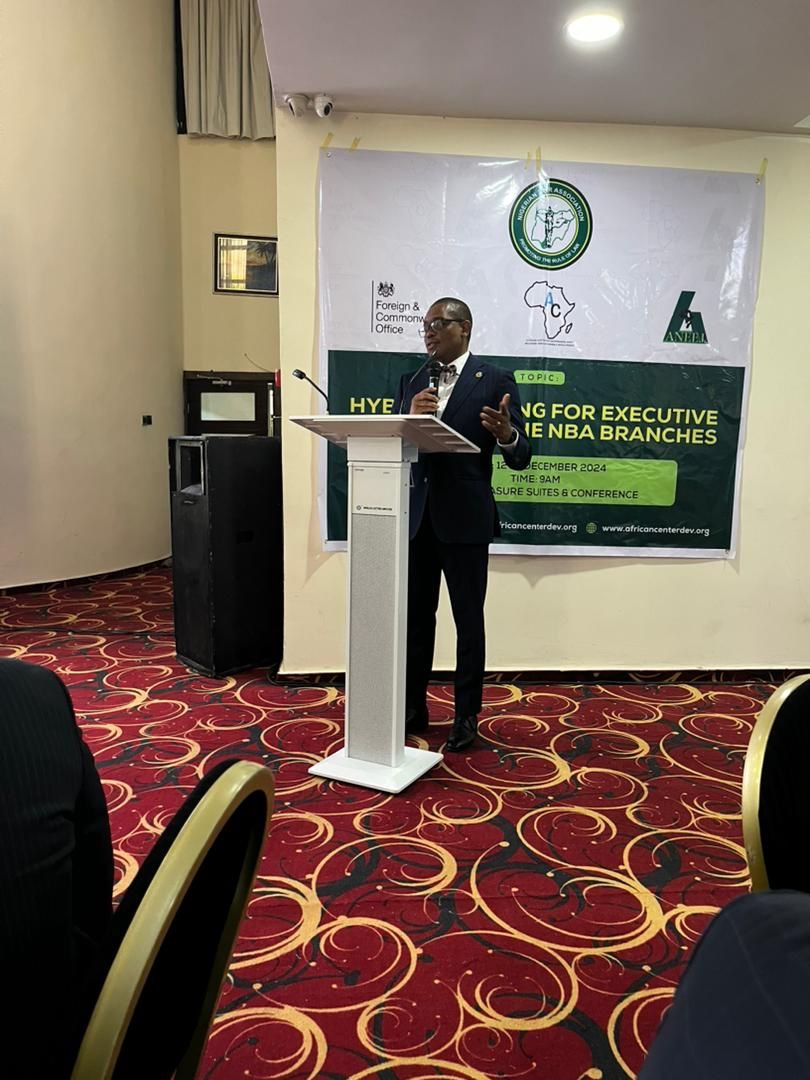
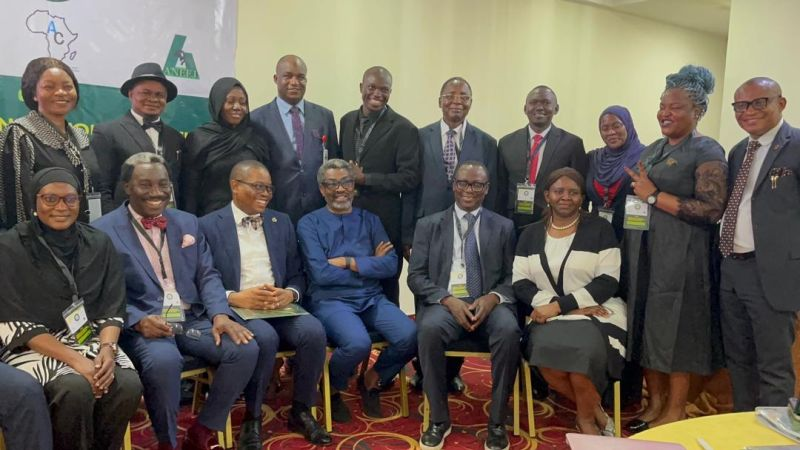
In collaboration with the NBA Anti-Money Laundering Committee (NBA-AMLC) and ANEEJ, we hosted a Hybrid Training Program for NBA Branch Executive Chairmen to enhance compliance and ethical leadership in the legal sector. The training covered the Rules of Professional Conduct (RPC), key findings from the Risk Assessment Report (RAR), and strategies to mitigate money laundering risks. A key highlight was the unveiling of the AML/CFT Legal Sector Risk Assessment Report, reinforcing the NBA’s commitment to strengthening Nigeria’s legal framework and aligning with global anti-financial crime standards.
1.0.18 Publication: Risk Assessment Report for the Legal Sector in Nigeria
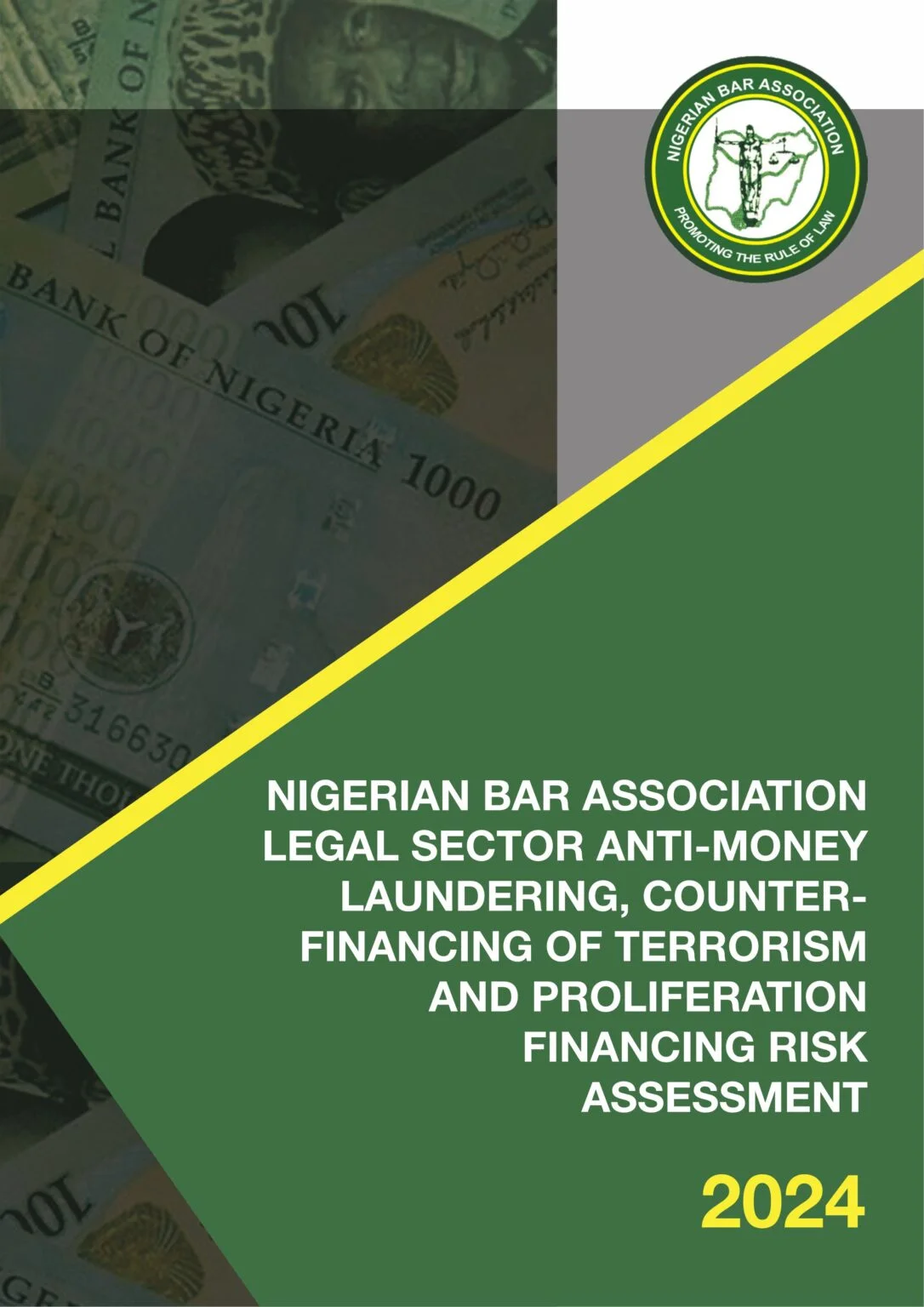
Nigeria’s mutual evaluation reports and recent case studies have demonstrated the vulnerabilities of legal professionals to ML/TF/PF. In response, the Nigerian Bar Association Anti-Money Laundering Committee (NBA-AMLC) conducted a risk assessment survey. The scope of the survey was to gain a strong understanding of the AML/CFT/PF vulnerabilities that legal professionals perceive themselves to be exposed to, evaluate the level of knowledge, awareness, and training that lawyers have in relation to AML/CFT/PF compliance. The Risk Assessment Report represents a significant step towards enhancing the legal sector’s compliance with Nigeria’s Anti-Money Laundering, Counter-Terrorist Financing, and Proliferation Financing (AML/CFT/PF) obligations.
1.0.19 Publication: Policy Brief on the Nigerian Legal Sector Risk Assessment
December 2024
In line with the Risk Assessment Report, a policy brief was published by the African Center. This publication highlights key vulnerabilities and solutions for combating financial crimes within Nigeria’s legal profession. The report identifies critical challenges, including Ethical Dilemmas: balancing client confidentiality with AML obligations; compliance gaps: inadequate frameworks, especially in smaller firms; resource disparities: uneven access to compliance tools.
To strengthen the sector, the brief recommends mandatory Training: Regular AML/CFT/CPF education, enhanced supervision: stronger enforcement of compliance and policy reviews: and ongoing updates to stay ahead of risks. This brief aims to position Nigeria’s legal sector as a global model of integrity and compliance, reinforcing its role in fighting financial crimes.
1.0.20 Development: CSO Toolkit on Fighting Illicit Financial Flows in Africa
The African Center worked on the research and development of a toolkit in collaboration with the Culture of Business, UK. The project supported the regional advocacy work undertaken as part of the Rallying Efforts to Accelerate Progress (REAP) project for Transparency International, which aimed to curb inequalities in Africa by addressing its root causes, such as illicit financial flows(IFF), inadequate access to public resources by vulnerable groups, and limited social accountability. The toolkit was drafted for Transparency International Berlin and provided a simplified advocacy instrument for CSOs to combat IFF in Africa.
1.0.21 Development: Guidelines for the Nigerian Federal Ministry of Justice to Improve International Cooperation
The African Center was part of a project that is being implemented by the GSDEC, the Nigeria Institute of Advanced Legal Studies (NIALS). The project aims to support the Asset Recovery and Management Unit (ARMU), the Central Authority Unit (CAU) in the Federal Ministry of Justice (FMOJ), and other relevant officials to achieve the target set by IO.2 of the ICRG Action Plan. The core objectives that were identified during a one-day workshop organized by GSDEC in collaboration with the NFIU and the African Center included to: support the FMOJ in the drafting of an International Cooperation Policy, training and mentoring 32 relevant officials, including law enforcement agencies, anti-corruption agencies, who are generally referred to as liaison officers to achieve its IO.2 requirements. Key to its core areas, the African Center provided an in depth case analysis of sentencing on AML/CFT and Proceeds of Crime cases to guide the drafting of the sentencing guidelines.